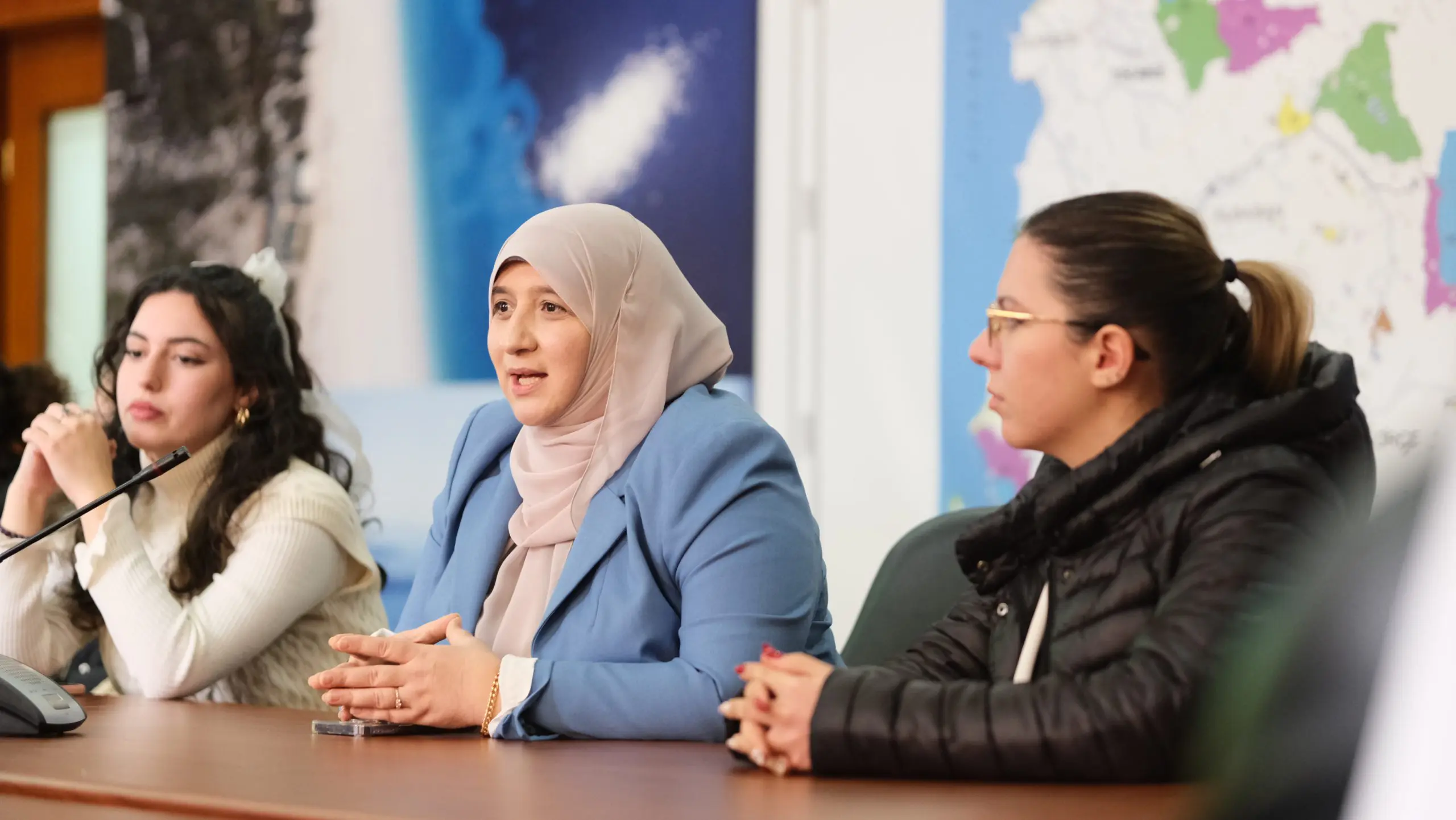
Nina Potarska, a member of the ICAN-spearheaded Women’s Alliance for Security Leadership, is currently at sea with the Global Sumud Flotilla, a civilian-led mission organized with the Freedom Flotilla Coalition, en route to Gaza.
By Sanam Naraghi Anderlini and Sina Azodi
In Washington, the policy of Iranian regime change that blossomed during the Bush years and withered under Obama has flowered again in the Trump administration. But those advocating regime change and those arguing vociferously against it are both losing sight of the fact that profound change is already happening in Iran.
In the Iranian political arena, differences of opinion and vision among reformists, centrists, and hardliners are daily on public view. Two strands of influence have shaped the political system of the Islamic Republic since 1979. The clerical establishment has wielded authority and determined laws and policies according to a deeply patriarchal and paternalistic approach that assumed that “the people” needed guidance. But the revolution also rekindled the idea of public reason and people’s power to shape their own destiny. These two divergent ideas came together in the state’s identity as simultaneously Islamic and a republic.
Tensions between these two tendencies have been evident since the 1990s, and the balance of power is now shifting. At a July 19 cabinet meeting, President Hassan Rouhani reminded his team of the demands of the public and the democratic process to which the officials are accountable. These shifts in attitude are critical indicators of change occurring within the system.
The change in the political sphere is prompted by the dynamic transformation of Iran’s social and cultural space since 1979. One of the best indicators of this transformation is the status of women, who have been key players all along. In the 1970s, the reform of family law that gave women increased rights under the shah helped to rile up the traditional clergy against Iran’s westernization. The clergy in turn mobilized women from poorer and more conservative communities to support the revolution. But the suspension of the family law, forced imposition of the hijab, and early attempts to take away women’s rights to vote prompted a fierce backlash from women across the social spectrum. In the 1980s, barred from certain university degrees, women fought back and reclaimed their spaces, so much so that in 2015 some 70% of science, technology, engineering, and math graduates in Iran were women. The late, great Maryam Mirzakhani, the only woman to win the Fields Medal in mathematics, was among the generation of girls born after the revolution into a system that overtly discouraged gender equality. Mirzakhani’s ascendance was not unique. On July 11, 2017, Iran’s flagship airline, Iran Air, appointed 44-year-old Farzaneh Sharafbafi as its first female CEO.
Women have also fought their way into politics. The 2016 parliamentary elections led to a new majlis with the largest number of women since the revolution. Similarly, in the 2017 city council elections, there was a 6% increase in women’s victories. In the highly conservative Sistan and Baluchistan province, some 415 women won council seats. Meanwhile, there is outcry at the absence of women in the newly appointed cabinet, despite President Rouhani’s election promise to appoint more women to ministerial posts.
This article was originally published on LobeLog.
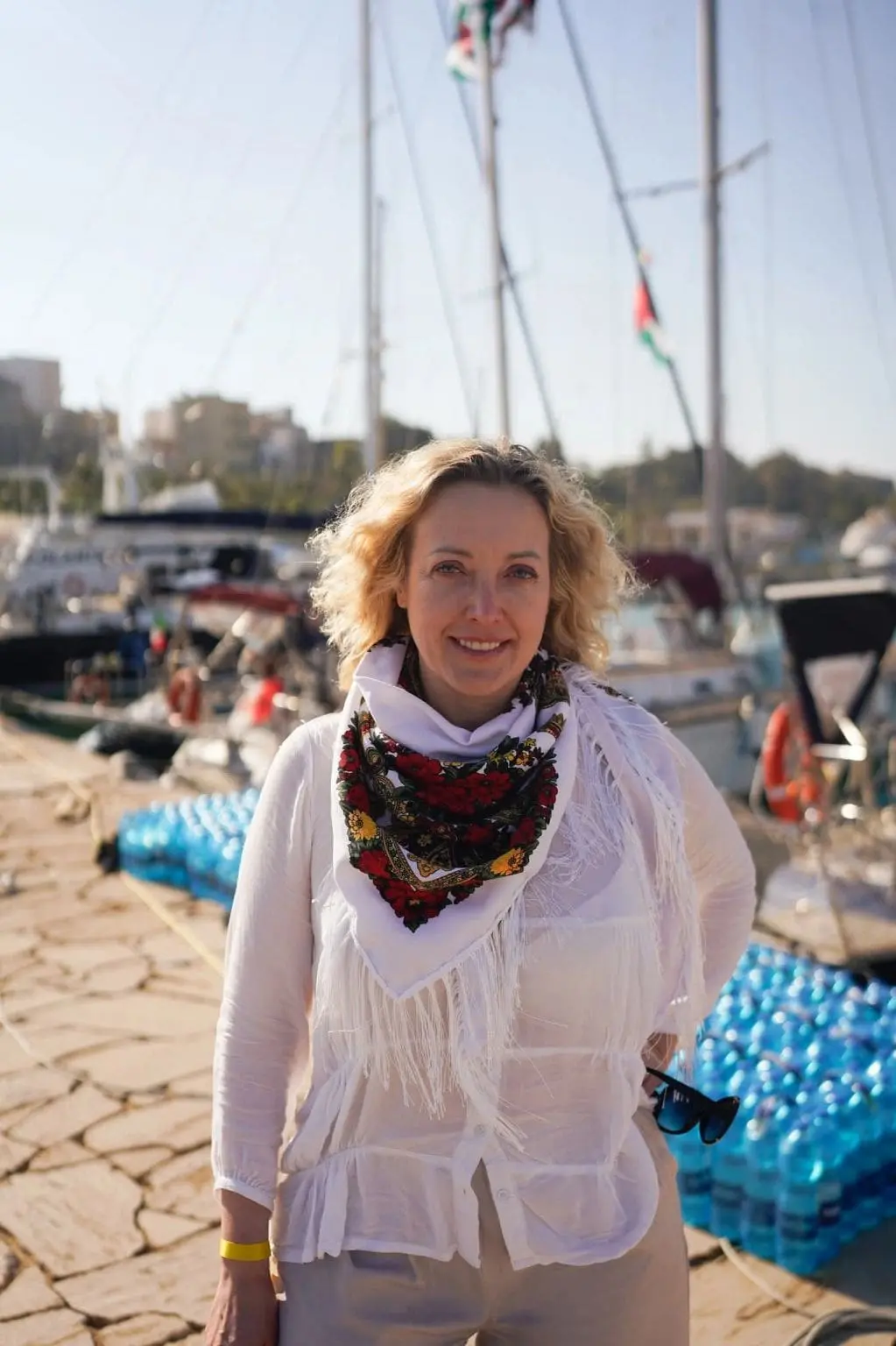
Nina Potarska, a member of the ICAN-spearheaded Women’s Alliance for Security Leadership, is currently at sea with the Global Sumud Flotilla, a civilian-led mission organized with the Freedom Flotilla Coalition, en route to Gaza.
ICAN Featured Women's Alliance for Security Leadership
مدينة البصرة في جنوب العراق، المدينة التي تضررت طويلا من الحرب وقلة الاستثمارات، تواجه تهديدات متزايدة بسبب خطاب الكراهية والتطرف وتآكل الثقة بين المواطنين والمؤسسات. وغالبا ما يقع الشباب -وخاصة الشابات- في قلب هذه التوترات، في عالم تتقاطع فيه المضايقات والتحرش الالكتروني مع الواقع. وفي مثل هذه البيئة، تتبنى جمعية الفردوس العراقية (الفردوس) نهجا جديدا […]
ICAN Featured
The International Civil Society Action Network (ICAN) and the Women’s Alliance for Security Leadership (WASL) Statement: The Escalating U.S.-Israeli War on Iran and its Regional Ramifications
ICAN Featured ICAN Latest
In March 2020, ICAN and its global network of women-led peacebuilding organizations, WASL, launched the She Builds Peace (SBP) campaign.
Allamin Foundation CAGEAD COEC ICAN Featured ICAN Latest PAIMAN SBP Frameworks She Builds Peace Countries WCDCA Women Relief Aid Women's Alliance for Security Leadership
Iraqi Al-Firdaws Society (Al-Firdaws) is taking a new approach to peacebuilding. Their project, Horizon: Promoting Community Peace, supported by ICAN’s Innovative Peace Fund (IPF), brings together youth, local security forces, and civil society actors to address violent extremism through dialogue, education, and community-based action.
ICAN Featured
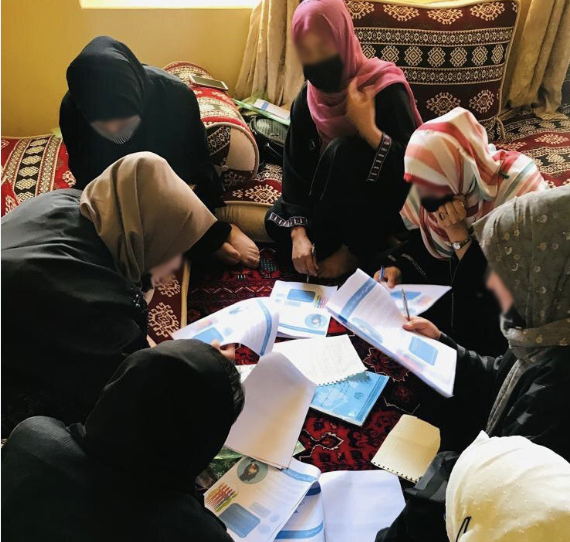
Women peacebuilders often operate in some of the world’s most dangerous contexts—yet the security support available to them is frequently fragmented, repetitive, and short-term. Recognizing the need for a fundamentally different approach, ICAN conducted a holistic security assessment of its Afghan partners, including members of the Women’s Alliance for Security Leadership (WASL). The result is the Holistic Security Menu: a co-designed, partner-driven model that provides practical and sustainable security support—on women peacebuilders’ […]
ICAN Featured Uncategorized
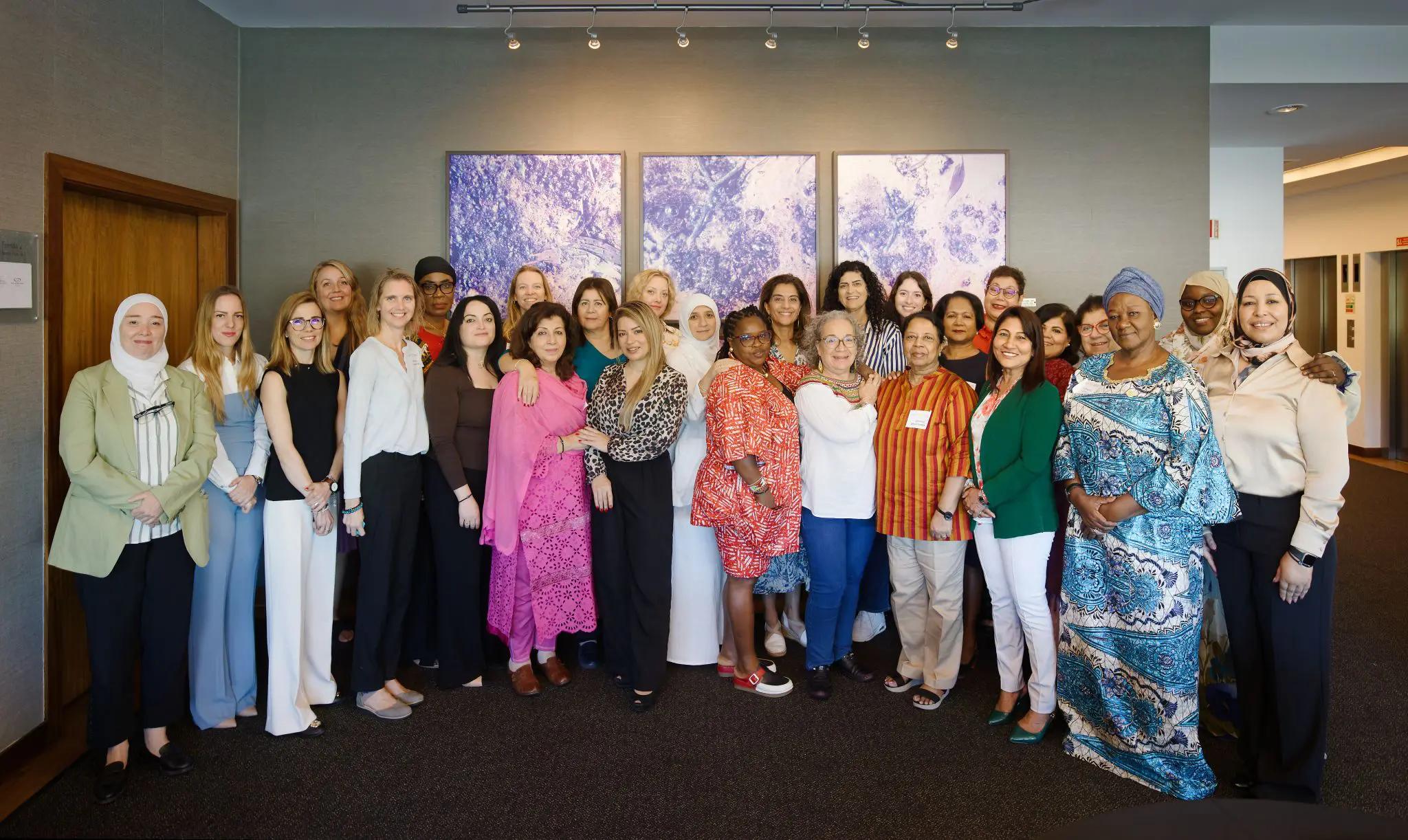
ICAN convened 20 members of WASL in Lisbon for the “Our Strategies, Our Peace” Writers’ Workshop. This unique gathering provided a secure and creative space for women peacebuilders to share their strategies, experience, expertise, and stories from conflict and crisis contexts.
Addu Women's Association Allamin Foundation AWAW CAGEAD CIASE COEC ICAN Featured Mobaderoon PAIMAN Rescue Me WCDCA Wi'am Women's Alliance for Security Leadership WPSO
On October 6, 2025, the U.N. Security Council holds its annual open debate on Resolution 1325 on Women, Peace, and Security. Today, we are not issuing a new statement. Instead, we are honoring our community of women peacebuilders—who appeared before the Security Council throughout these 25 years, speaking for the millions they represent—by echoing their messages.
ICAN Featured ICAN Latest ICAN Updates WASL Updates Women's Alliance for Security Leadership
In South Sudan, a nation where peace has long remained fragile and democratic progress uncertain, women are stepping forward to shape the future of their country. Long excluded from the corridors of power, they are forging their own movement for lasting change.
ICAN Featured Innovative Peace Fund
On behalf of the International Civil Society Action Network (ICAN) and members of the global Women’s Alliance for Security Leadership (WASL), we are honored to nominate Francesca Albanese, United Nations Special Rapporteur on the situation of human rights in the Palestinian territories occupied since 1967, for the 2026 Nobel Peace Prize.
ICAN Featured ICAN Updates Uncategorized
در عرصه صحت روانی، افغانستان با بحران پیچیدهای مواجه است که این بحران به طور جدایی ناپذیر با ناامنی شدید فیزیکی، سیاسی و اقتصادی در کشور گره خورده و این نا امنی ها بحران را تشدید میکند. برای رسیدگی به آسیب های روانی، صحت و بهداشت جامعه به شیوه های پاسخگو به جنسیت و با مد نظر گرفتن حساسیت های فرهنگی، سازمانهای فعال در عرصه صلح سازی به رهبری زنان افغان در موقعیتی منحصربه فرد قرار دارند. این سازمان ها خدمات ابتدایی ارائه میدهند، مهارتها را توسعه میبخشند و در شکلدهی هنجارهای فرهنگی و جنسیتی نقش مؤثر ایفا میکنند.
ICAN Featured ICAN Latest ICAN Updates WASL Updates Women's Alliance for Security Leadership WPSO
افغانستان له یوه ډېر پېچلي اروایي/رواني روغتیايي حالت سره مخ دی چې دا حالت د هېواد له ناامنۍ، سیاسي ګډوډۍ او اقتصادي ستونزو سره تړلی او لا یې دا ستونزې زیاتې کړي دي. د افغان ښځو په مشرۍ سولهپالې ادارې کولی شي د خلکو روغتیا او هوساینې ته پاملرنه وکړي، ځکه د دوی کار د ښځو اړتیاوو ته په پاملرنه ترسره کیږي، له کلتوري حساسیتونو سره سمون لري او د ټروما په معلوماتو باندې متکي (trauma-informed) تګلارې دي. دا ادارې اساسي خدمتونه وړاندې کوي، خلکو ته مهارتونه ورزده کوي او کلتوري دودونه او جنسیتي اړخونه تر پوښښ لاندې نیسي.
ICAN Featured ICAN Latest ICAN Updates WASL Updates Women's Alliance for Security Leadership WPSO