Home » ICAN Featured » Invisible Women: Gendered Dimensions of Return, Rehabilitation and Reintegration from Violent Extremism

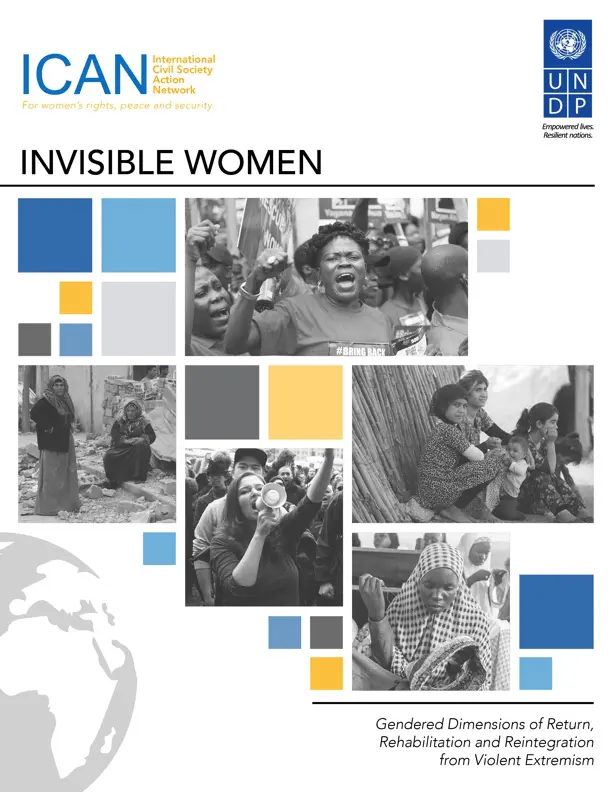
Invisible Women: Gendered Dimensions of Return, Rehabilitation and Reintegration from Violent Extremism

The joint United Nations Development Programme (UNDP) and International Civil Society Action Network (ICAN) publication, Invisible Women: Gendered Dimensions of Return, Reintegration and Rehabilitation, is an effort to map the gaps and challenges pertaining to the reintegration and rehabilitation of women and girls associated with violent extremist movements and establish a preliminary evidence-base of good practices and approaches. The report and its methodology centralize the experiences of local civil society, in particular women-led civil society organizations (CSOs) who contributed to the report through interviews, dialogues, and case study profiles. The research emphasizes the necessity of integrated, multi-stakeholder approaches that enable state and civil society to work in tandem, based on the comparative advantages of each.

Executive Summary and Programming Guidance available in French and Arabic.

Full Report available in Arabic

Sector-Specific Analysis

Draws attention to the existing policy frameworks, gaps and challenges related to addressing disarmament, reintegration and rehabilitation of people associated with violent extremist groups, with attention to the gaps related to women and children in particular.

On legal processes and issues includes discussions on repatriation, prosecution, sentencing, citizenship rights, restorative justice measures, and access to legal aid for returnees.

Addresses security issues both from and for returnees. It addresses measures needed to mitigate the risk of recidivism while avoiding further marginalization and potential secondary or re-radicalization. It also touches on the protection needs of returnees from retributional violence and SGBV, and the role of state security actors and civil society organizations in this process.

Highlights the importance of public awareness and community sensitization, including the role of the media and local leaders to combat retribution, stigma, fear and mistrust, and enable successful reintegration. It also highlights the risks that individuals face when seeking to raise such sensitive issues.

Focuses on the need for ideological transformation through religious or other forms of counselling and mentoring for those who have been convinced of violent extremist narratives, with attention to the needs of women who often have less opportunities for deepening their religious literacy.

Addresses the importance of providing socioeconomic support (including access to education, relevant livelihoods skills and job training, employer sensitization and job placement) and enabling economic independence not only as a practical necessity but also a path to rehabilitation and resilience against the ideologues of violent extremism.

Draws attention to the need for psychosocial support, such as trauma healing, tools to cope with stigma, and family therapy, for returnees and their families whether they are victims, perpetrators, or both. Given the propensity of sexual violence among women and girls, the need for reproductive health services and treatment for sexually transmitted diseases is noted, as well as the unique dynamics of newly female-headed households.

Examples of Good Practice

 Institutionalizing Gendered Rehabilitation through Civil Society-Government Collaboration


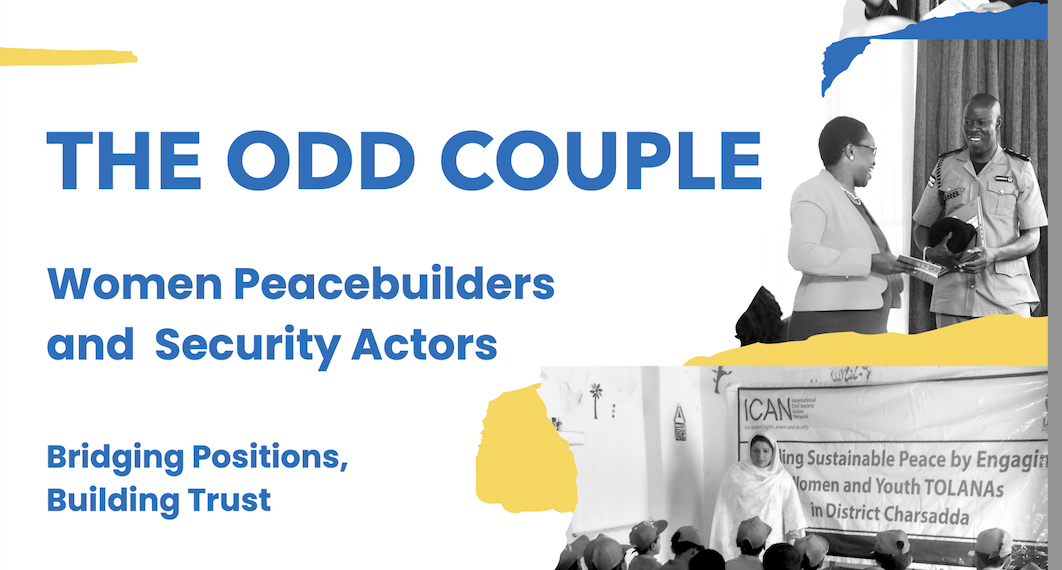
Trust Between Community Women and Police as a Resource for Prevention and Reintegration


Combating Stigma and Radicalization through Islamic Peace Education


From Sewing Suicide Belts to Sowing Sustainable Peace


Healing from Trauma and Reclaiming Dignity through Economic Independence


Deradicalization through Psychosocial Therapy in Prisons


Finding a New Sense of Purpose through Psychosocial Therapy